In a recent post, Matt Kirkland suggests chopping up your large books into smaller, easier-to-handle editions.
He’s reading “Lonesome Dove,” which clocks in at more than 800 pages. Rather than dragging a brick around, he cut the book into three more manageable parts.
He calls it “Chop That Book Up Into Reasonable Sizes.”
Then he gives a step-by-step guide to chopping it up well.
It’s a fine idea, but it’s hardly new.
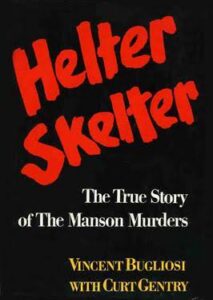
Back in 1980, one of my friends brought a copy of “Helter Skelter” to school:
The story of the Charles Manson killings. Not the kind of book you’d find a nine- or ten-year-old kid reading.
He had just finished reading it and wanted to pass it along to the next reader. But two things happened almost simultaneously:
- We all clamored to read it next.
- We instantly recognized that our teacher would likely confiscate the book if she saw it.
So someone (not me) had the brilliant idea of removing the cover and breaking the book into parts, so we could all read simultaneously. As soon as someone finished a part, they would pass it to the next person. Before long, we would all be reading some part of the book.
I was given first dibs on the book because I was considered the fastest reader, so after the cutting was finished, I was off to the races.
I wish I could remember who was with me that day at recess, standing under the tree, plotting, planning, and cutting. My memory of the past is usually quite good, but I can’t remember whose idea it was in our cabal.
As a result, five or six of us were reading “Helter Skelter” in parts, simultaneously, in class, without our teacher ever knowing it.
So yes, Matt Kirkland, if a book is especially large, chopping it up is a great idea.
Or, if you want to conceal the book you’re reading and share it among friends, chopping it into parts can also do the trick.