We are in the midst of graduation season. People, young and old, are leaving the comfort of university campuses and heading out into the real world for the first time.
It can be a challenging time for folks.
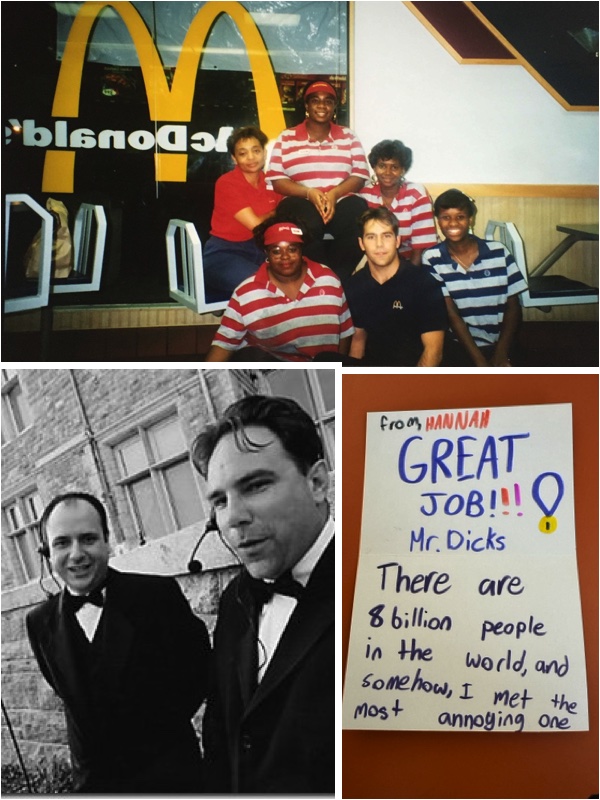
At a year-end speech to my colleagues this week during my last faculty meeting, I described myself as feral when I first arrived at Wolcott School in 1999.
It wasn’t far from the truth.
Just six years earlier, I had been homeless, jailed, and awaiting trial for a crime I did not commit. I had been living on my own since I was 18 without any support from my parents or anyone else, and at the age of 28, I still had so much to learn.
When I first interviewed in West Hartford, it was with a principal named Rena Klebart at Braeburn School.
She did not hire me.
Years later, I met her again while speaking about my latest novel at a book talk. She was a superintendent of a Connecticut school district at the time. We recognized each other immediately.
“You didn’t hire me,” I said.
“You and I would not have gotten along,” she said. “I don’t know many people who would’ve hired you at the time.” She told me she knew only one person who would be willing to hire me and take on that challenge, so she referred me to Plato Karafelis, the principal of Wolcott School.
She was probably right.
I ended up exactly where I needed to be and where I found my home for the last 27 years. It’s a place where I met my wife, made most of my closest friends, and found enormous success and joy in my dream job.
I’m eternally grateful to her for that decision. She changed my life forever.
Over the years, I’ve become decidedly less feral, though some may disagree. I’ve learned from the wisdom of others and my own mistakes. As I explained during my speech, I’ve become a much better person thanks to my 27 years at Wolcott School, mostly due to the patience, kindness, and insight of my colleagues and students.
So, with graduates embarking on the next phase of their lives, hopefully a little less feral than I was, I was to offer some advice that I have gleaned from my own experience since graduating from Trinity College back in 1999.
Follow these rules, and you’ll find yourself a happier, more successful human being.
Matthew Dicks’s 28 Lessons for College Graduates
- A small portion of your paycheck should go directly into a retirement account each month, starting now.
- You can determine the size of a person’s intellect by the size of things that bother him.
- Find your passion and figure out how to get paid for it.
- Giving up or selling out on your passion equates to surrendering your happiness.
- You can judge a person’s character by how they treat servers, flight attendants, and pets.
- The first one to get angry almost always loses.
- Live as much as possible before settling on a spouse or life partner.
- Become an expert on forgiveness. This is often best done by becoming less selfish and less dramatic about your own life and by thinking more about the struggles and limitations of others.
- Learn to play chess, poker, backgammon, and setback.
- You have no business criticizing people who are utilizing public assistance if your parents have filled that same role for you with bailouts, loans, college tuition, employment, or cash subsidies for vacations, automobiles, and mortgage downpayments. Your public assistance is merely familial, and you did nothing to earn it.
- Always be reading a book, regardless of how slowly you read it.
- Do not expect anyone to be impressed by the university you attended or the degree earned. Real achievement is determined by what you do after you leave school.
- Drink as little alcohol as possible. Nothing good comes from regular or excessive alcohol consumption.
- Understand the spotlight effect. Believe it. Live by it.
- Everyone finds confidence sexy, so be confident. If you’re not confident, fake it until you become confident.
- Talking about your dreams without taking any action is uninspiring and sad. Even microscopic steps in the right direction are impressive. Just be moving forward.
- Learn to sleep well. While sleep disorders exist, most people sleep poorly because they fail to adhere to simple strategies that allow sleep to be more consistent and productive.
- Do what needs to be done without complaining. No one likes listening to complaints.
- Salary is the last thing to consider when accepting a promotion or changing jobs. Available time for family, friends, and hobbies, as well as your day-to-day happiness while on the job, should always be considered first and foremost. Exchanging money for happiness is always stupid.
- Tell the stories of your most embarrassing moments and greatest failures. Allow others to speak about your greatest achievements.
- Know the Peter Principle and understand well how it may apply to you.
- Be known as someone who can keep a secret and be trusted with confidential information.
- When you find a pair of underwear or socks that you like, purchase them in bulk. Discard all other subpar underwear. Comfort at the undergarment level should not be underestimated.
- Be very familiar with at least three Shakespearean plays.
- Replace the consumption of alcohol and cannabis for relaxation and stress relief with more productive methods, such as exercise, meditation, music, reading, hobbies, journaling, and socializing with friends. All have been shown to be just as effective as drugs and alcohol for stress relief, and all possess added benefits and are free from the risk of addiction and long-term adverse health risks.
- Be happy for the good fortune of others.
- Do whatever you want to do in life, but try to be the very best at it.
- Invest 5% of your time and effort, consistently and relentlessly, into your next potential career or side hustle. Always be seeking your next horizon, even if you never end up chasing it. Stagnation is comfortable, but it rarely leads to happiness.